
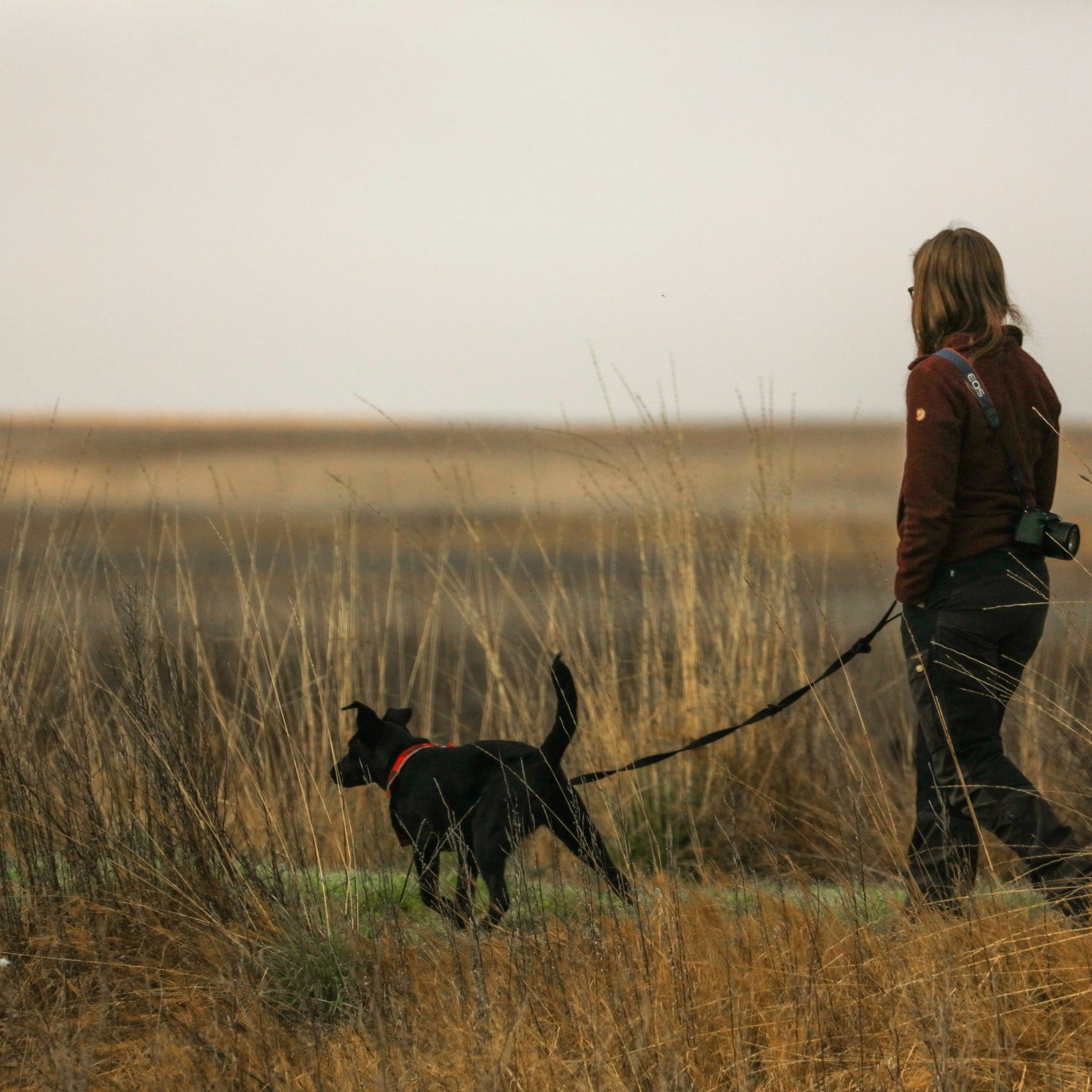
Keeping your dog safe is something every owner takes seriously, especially as the UK continues to see rising reports of missing or stolen pets. According to figures highlighted by Dogs Trust Lost Dogs, thousands of dogs are reported missing each year, and many sadly never make it back home (see the table below). With more dogs being walked off-lead, busier public spaces and a growing number of reactive or newly adopted dogs, prevention has become more important than ever.
A GPS dog tracker gives owners a real safety advantage, offering live oversight of a dog’s movements and reducing the time between realising a dog is missing and tracking them down. Below, we explore the key benefits of using a GPS tracker, and why so many owners now see them as an essential part of responsible dog care.
Table: Dogs & Pets Reported Missing, Stolen & Recovered:
| Category | Number / Estimate (UK) | What It Means For Pet Owners |
|---|---|---|
| Dogs Reported Missing (2023) | ~ 5,000 dogs (in Petlog’s database) (Countryfile) | Even with micro-chipping, many dogs go missing, which underscores the need for additional tracking tools like GPS. |
| Pets Reported Missing (2023) | Over 25,000 pets (The Kennel Club) | The number of total pets missing highlights the scale of the issue and your need for preventative measures. |
| Dogs Stolen (2024) | 1,808 dogs (DLG Corporate Corporate Website) | Theft remains a real risk; GPS trackers add a layer beyond microchip ID. |
| Dogs Stolen In The Past 10 Years (Up To 2024) | 23,430 dogs reported stolen (SARS Cymru) | This shows the long term risk. Reliable tracking helps across a pet’s lifetime. |
| Estimated Dogs Reunited Or Rescued | ~ 74% of lost dogs are reunited (Countryfile) | Microchips help with reunions but only if details are up-to-date. GPS could help you rescue or reunite your pet much more quickly. |
1. Real-Time Location Tracking
The biggest benefit of a GPS dog tracker is real-time tracking. Unlike Bluetooth tags, which rely on your phone’s proximity and usually only function within 10–30 metres, a GPS tracker communicates with satellites and can provide accurate live positions, often within a few metres depending on the device.
This becomes invaluable during off-lead walks in unfamiliar places, or with dogs who have a tendency to roam, bolt when startled or lose confidence in busy environments. The Kennel Club emphasises that acting quickly is crucial when a dog goes missing. GPS tracking dramatically cuts down the crucial minutes spent searching blindly, helping you move directly toward your dog instead of guessing.
Read more: If you’d like to know more information, read; What Is The Difference Between An Airtag And A GPS Tracker.
2. Works Over Long Distances
Because GPS trackers rely on satellites rather than short-range wireless signals, they remain effective across much larger distances, often several miles depending on the device and network coverage. This makes them ideal for dogs who enjoy long countryside walks, trips to the coast or holidays in unfamiliar locations.
In wide open spaces, moorland, woodland trails or hilly terrain, dogs can quickly disappear from view. A GPS tracker continues to provide updates even when they’re out of earshot or beyond the reach of traditional recall cues.
Table: Total Number Of Dogs Stolen In The Past 10 Years:
| Time Period | Number of Dogs Stolen / Reported | Approx. % Returned / Reunited | What It Means For Pet Owners |
|---|---|---|---|
| 2024 | 1,808 dogs (DLG Corporate Corporate Website) | ~19% (returned to owners) (SARS Cymru) | Despite legal changes (e.g. new theft laws), theft remains significant risk. |
| Past 10 years (to 2024) | 23,430 dogs stolen (SARS Cymru) | 5,005 dogs reunited (≈ 21%) (DLG Corporate Corporate Website) | Dog theft is a long term risk, with many victims not seeing their dog again. Tracking can prevent this. |
3. Ideal for Dogs With High Prey Drive
Some breeds, particularly terriers, hounds, lurchers and working dogs, have strong prey instincts that can override even solid training. A sudden dart after a rabbit, squirrel or pheasant can send dogs running far out of sight in seconds.
A tracker provides live updates, movement alerts and a breadcrumb trail that shows the exact route your dog has taken. This matches behaviour advice from Blue Cross, which notes that prey drive is instinctive and often impossible to fully eliminate. A GPS tracker acts as a crucial safety net when instinct takes over.
4. Added Peace of Mind on Holidays and Day Trips
Dogs can become disoriented when exploring new places, and even confident pets can lose their bearings in unfamiliar surroundings. Whether you’re visiting a busy beach, staying in a pet-friendly cottage or walking a new woodland trail, a GPS tracker gives you reassurance that you can locate your dog at any moment.
It’s particularly useful during trips involving new scents, crowded environments or long distances from home. Many trackers also work internationally, offering reliable peace of mind during travel.
5. Supports Training and Behaviour Monitoring
Many modern trackers (like ours) now include features such as geofencing or “safe zones,” which alert you if your dog leaves a designated area. This can be extremely helpful when practising recall or reinforcing boundaries in the garden.
Movement history can also reveal useful behavioural insights, such as activity levels, wandering patterns and distance covered. This aligns with advice from the PDSA’s dog behaviour guidance, which stresses the importance of understanding your dog’s habits and routine to support training.
6. Works Even When Your Dog Is Out of Sight
Dogs can disappear from view in seconds, over hilltops, behind hedgerows, through gaps in trees or around buildings. A GPS signal isn’t blocked by these obstacles, meaning you can maintain virtual line-of-sight even when real visibility is lost.
This is especially valuable for newly adopted rescue dogs, dogs with a history of escaping gardens, older dogs who may become confused, or pets with medical conditions that require close monitoring.
Read More: GPS works without WiFi or Bluetooth connections. For more information read our guide Do You Need WiFi For A GPS Tracker?

7. Enhances Responsible Dog Ownership
The rise in dog theft and opportunistic targeting in recent years has encouraged many owners to take extra precautions. A GPS tracker offers an additional layer of protection that works alongside the legally required microchip.
A microchip helps confirm identity once a dog is found, but a GPS tracker helps you find them in the first place. The Metropolitan Police’s pet theft prevention advice highlights the importance of proactive steps such as supervision, secure gardens and additional tracking tools.
Table: How Microchipping & GPS Tracking Can Work Together:
| Risk / Factor | What Microchip Does | What Microchip Doesn’t Do / Where It Falls Short | How a GPS Tracker Helps |
|---|---|---|---|
| Dog goes missing / runs off | Microchip helps identify dog once found by someone or at a shelter | Requires someone to find the dog, scan chip; also requires contact details to be correct (which often aren’t) (Dogs Trust) | GPS gives real-time location; you can track immediately rather than wait or rely on luck |
| Theft or accidental escape | Microchip helps prove ownership/reactivate search once dog is recovered | Doesn’t help find dog if it’s hidden or quickly rehomed/stolen: only useful at “found” stage | GPS can help locate dog even if stolen or hidden, shortening time before recovery |
| Delay between dog running off and owner realising | — | Without immediate location data, crucial time is lost: reduces chance of safe return | GPS gives live tracking, reducing search time drastically |
| Out-of-area / rural / remote escape | Microchip still works once found — but only if found | Low chance of being found quickly if dog wanders far or is taken to remote area | GPS works over long distances (satellite/network), increases chance of quick recovery |
8. Useful for Working Dogs and Outdoor Adventures
For dogs that work or regularly explore outdoor environments, such as gun dogs, farm dogs, search and rescue dogs or those accompanying owners on mountain treks, a GPS tracker provides a dependable safety net.
These dogs can cover large distances quickly and work in areas where visibility changes constantly. A GPS tracker makes it far easier to locate them if they move out of visual range or if conditions shift suddenly.
9. A Simple Way to Improve Everyday Safety
An open gate, a loud noise, fireworks or an unexpected distraction can cause even the best-behaved dog to bolt. A GPS tracker offers a reliable backup in these unpredictable moments.
By combining real-time tracking, long-distance capability, escape alerts and behavioural insights, a GPS device adds a meaningful safety layer to your dog’s everyday life.
Final Thoughts
A GPS dog tracker isn’t a substitute for recall training, attentive supervision or microchipping, but it is one of the most effective modern tools for keeping dogs safe. Whether you take long countryside walks, travel often or simply want day-to-day reassurance, knowing you can instantly locate your dog brings enormous peace of mind.
For many owners, adding a GPS tracker has become one of the simplest and most impactful upgrades they can make to their dog’s safety.
what-are-the-benefits-of-a-gps-dog-tracker